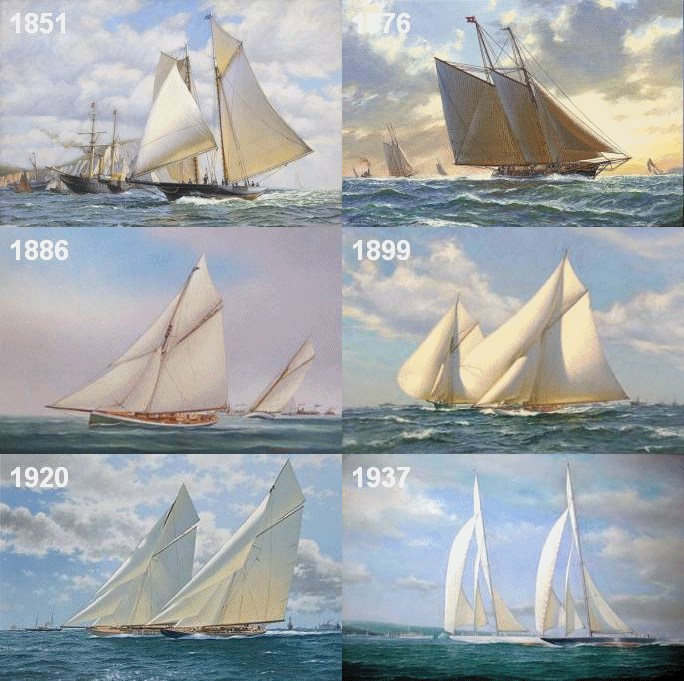
 AMERICA'S CUP
1851-1937
"If we can fly today in the San Francisco Bay, this is because there have been "adventurers" like Walter Greene and Mike Birch.
To understand the future, we must know and respect the past."
Loïck PEYRON (Voiles et Voiliers July 2014)



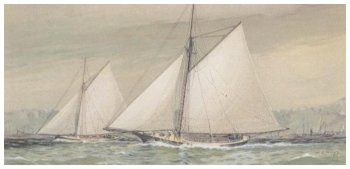
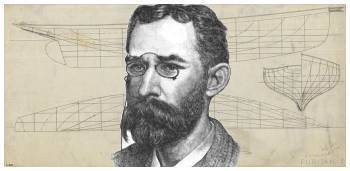 Edward Burgess was a son of Benjamin F. Burgess, a sugar importer of Boston. He was born in Sandwich, Cape Cod, Massachusetts, June 30th 1848. After his graduation from Harvard College in 1871, he took up the profession of a naturalist. A year after his graduation he was an instructor in entomology at the Bussey Institute, connected with Harvard College. He resigned this position to become secretary of the Boston Society of Natural History, ...
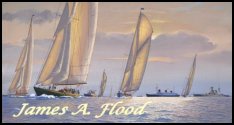 James Flood is a South Florida maritime artist and historian whose primary works are of sea-going vessels, usually portrayed in an historic context.
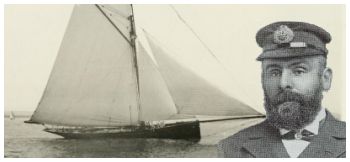 Born in Wivenhoe in 1850, John Carter began sailing at a young age aboard "smacks", the typical fishing boats of Rowhedge and its neighbourhood. At the age of 22, he helmed small yachts and in 1875, he distinguished himself as the skipper of the 10-ton Lancer and later of the 110-ton cutter Moina.